
Back-to-School Traffic Starts Earlier Than You Think
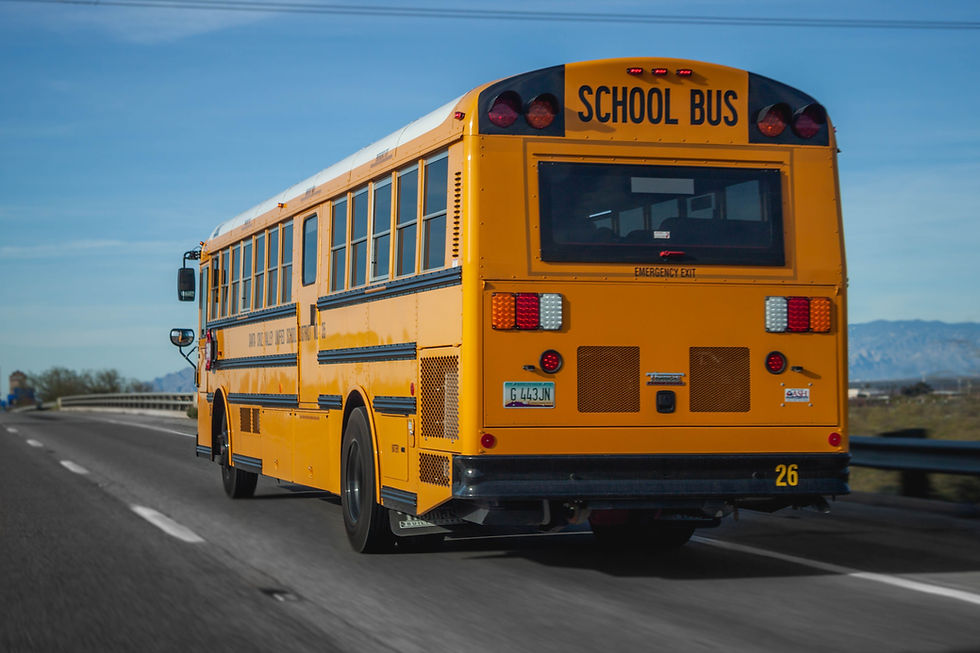
As summer winds down, most families are focused on shopping for school supplies, adjusting sleep schedules, and preparing for the first day of class. But there's another seasonal change that often goes unnoticed until it's too late: traffic patterns begin shifting weeks before the school year officially starts.
School buses return to the roads. Parents begin navigating unfamiliar drop-off lines. Teenagers who earned their driver's licenses over the summer head to school on their own for the first time. Children who spent the summer playing in quiet neighborhoods are suddenly walking through busy intersections, riding bikes to school, and crossing streets alongside morning commuters. The result? More vehicles, more pedestrians, and more opportunities for preventable accidents.
At Mory & Colliersmith, PLLC, we've seen how quickly an ordinary school morning can become a life-changing event. Whether you're a parent driving your children to school, a new teen driver gaining confidence behind the wheel, or simply commuting through a school zone, understanding the risks of back-to-school traffic can help keep everyone safer.
Why Back-to-School Season Brings More Traffic Than Many People Expect
Traffic doesn't suddenly increase on the first day of school.
In many communities, congestion begins building days, or even weeks, in advance as teachers return to campus, athletic practices begin, orientation events take place, and families settle back into their routines.
Morning and afternoon commutes become significantly busier as thousands of additional vehicles share the road at the same time. Add school buses, crossing guards, bicyclists, and children walking to class, and even familiar roads can become much more unpredictable.
According to the National Highway Traffic Safety Administration (NHTSA), drivers should expect increased pedestrian activity and exercise extra caution around schools, crosswalks, and neighborhoods during back-to-school season. Their Back-to-School Driving Safety Tips provide practical guidance for motorists as children return to the classroom.
For many drivers, the safest approach is simply allowing a little extra time. Rushing through a school zone or trying to beat the morning bell often leads to distracted decisions that can have lasting consequences.
Parents Face More Distractions Than They Realize
The morning school rush can be hectic.
Children are asking questions from the back seat. Someone forgot their lunch. Another child can't find their backpack. You're watching the clock while trying to merge into heavy traffic before work.
These everyday distractions can take your attention away from the road for only a few seconds, but that's often all it takes for an accident to happen.
Parents can reduce risk by:
Leaving home a few minutes earlier.
Putting phones away before driving.
Preparing backpacks and lunches the night before.
Following school drop-off procedures.
Remaining alert for children who may unexpectedly enter the roadway.
Most crashes don't happen because someone intended to drive carelessly. They happen because normal routines become rushed.
Teen Drivers Face New Challenges During the School Year
Back-to-school season also means thousands of teenagers begin driving themselves to school for the first time.
While earning a driver's license is an exciting milestone, new drivers have less experience recognizing hazards and reacting to unexpected situations.
School parking lots, crowded intersections, buses making frequent stops, bicyclists, and distracted classmates all create situations that require patience and good judgment.
Common risks for teen drivers include:
Speeding to avoid being late
Following other vehicles too closely
Looking at phones while stopped in traffic
Driving with multiple passengers
Failing to recognize pedestrians in crosswalks
Teen drivers should remember that arriving a few minutes late is far better than risking an accident that could affect themselves, or someone else, for years to come.
If you're a new driver or have a teenager preparing to drive independently, we've shared additional safety recommendations in our article on Why Driver Safety Courses Are Important, including how continued driver education can improve confidence and reduce crash risks.
School Zones Require More Than Slowing Down
Many drivers know they should reduce their speed in school zones. Far fewer recognize just how unpredictable these areas can be.
Children may step into the street without looking. School buses make frequent stops. Parents pull in and out of drop-off lines. Crossing guards direct traffic while dozens of students cross at once.
Even experienced drivers can encounter situations that change in seconds.
When driving near a school:
Obey all posted speed limits.
Never pass a stopped school bus where prohibited by law.
Watch carefully for crossing guards.
Yield to pedestrians in crosswalks.
Stay alert for children riding bicycles or scooters.
Avoid using your phone, even while stopped.
School zones are designed to protect children, but they rely on drivers paying attention.
Children Don't Always Think Like Drivers
One of the biggest reasons school-zone accidents occur is simple: Children don't always recognize danger the way adults do.
Young children may:
Chase a ball into the street.
Cross between parked vehicles.
Assume drivers can see them.
Become distracted by friends.
Forget to look both ways before crossing.
According to Safe Kids Worldwide, pedestrian injuries remain one of the leading causes of injury for children, particularly during the hours before and after school. Their Back-to-School Safety Tips encourage both families and drivers to remain especially vigilant during these high-traffic times.
Drivers should never assume a child will behave predictably near a roadway.
When a School Traffic Accident Happens
Despite everyone's best efforts, accidents still happen.
A distracted driver may fail to stop for a crosswalk. A speeding vehicle may strike a bicyclist. A parent may be rear-ended while waiting in a school pickup line. Or a teenager may become involved in their first collision on the way to class.
In the moments after an accident, it's important to remain calm and focus on safety first.
If anyone has been injured:
Call emergency services immediately.
Seek medical attention, even if injuries seem minor.
Take photographs of the scene when it's safe to do so.
Exchange information with everyone involved.
Speak with witnesses if possible.
Preserve any available evidence.
Many injuries, including concussions and soft tissue injuries, don't become fully apparent until hours, or even days, after an accident. Seeking prompt medical care not only protects your health but also creates documentation that may become important later if questions arise about your injuries.
Understanding Your Rights After a School Traffic Accident
Not every school traffic accident results in a personal injury claim. However, when someone's negligence causes another person to be injured, the consequences can extend far beyond vehicle damage.
Medical expenses, missed work, ongoing treatment, and emotional stress can affect an entire family long after the crash itself. Determining who may be legally responsible often requires a careful review of the facts, including witness statements, police reports, photographs, traffic camera footage, and other evidence.
At Mory & Colliersmith, PLLC, we've seen firsthand how overwhelming the days following an accident can be. Understanding your legal options early can help you protect important evidence, communicate effectively with insurance companies, and make informed decisions about your recovery.
A Safer School Year Starts Before the First Bell
The start of a new school year should be filled with excitement, not preventable accidents.
By slowing down, eliminating distractions, allowing extra travel time, and remaining alert around schools, parents, teen drivers, and everyday commuters can all play a role in keeping children safe.
Because when it comes to back-to-school traffic, the safest trip isn't measured by how quickly you arrive, it's by making sure everyone gets there safely.
Frequently Asked Questions About Back-to-School Traffic Accidents we Hear
Why do car accidents increase during back-to-school season?
Back-to-school season brings more vehicles, school buses, teen drivers, and pedestrians onto the road. Increased traffic, distractions, and changing routines can create more opportunities for accidents.
What can parents do to stay safe during school drop-off and pickup?
Parents can improve safety by leaving extra time, avoiding distractions, following school traffic procedures, and watching carefully for children walking, biking, or crossing near roadways.
Are teen drivers at higher risk of accidents during the school year?
Teen drivers often face new challenges during the school year, including heavier traffic, crowded parking lots, peer passengers, and distractions. Continued practice and safe driving habits can help new drivers build confidence.
Who may be responsible if someone is injured in a school traffic accident?
Responsibility depends on the circumstances of the accident. A driver who was distracted, speeding, or otherwise negligent may be responsible for injuries they caused. Evidence such as police reports, witness statements, and photos may help determine liability.
What should I do after being injured in a school zone accident?
After an accident, prioritize safety, seek medical care, document the scene if possible, and keep records related to your injuries. If another person’s negligence caused the crash, a personal injury attorney can help explain your legal options.
About the Author
Natalie Colliersmith is a founding partner at Mory & Colliersmith, PLLC, a Kentucky-based personal injury law firm committed to protecting families across the Commonwealth. As a top-rated injury attorney and mother of three, Natalie brings both fierce advocacy and deep empathy to her work, because she knows what it means to fight for your loved ones. She represents individuals who have suffered serious injuries in car accidents, including collisions involving school traffic, distracted drivers, and negligent motorists, helping clients understand their rights and determine what steps to take after an accident. Natalie works to hold negligent parties accountable so injured individuals can focus on their recovery with confidence. Learn more at morycolliersmith.com or call (502) 212-4333 to speak to Natalie directly.


